Top 10 Tips for Choosing the Best LED Panels Wall for Your Space
When it comes to enhancing the aesthetic and functionality of your space, choosing the right LED Panels Wall can make a significant impact. These versatile lighting solutions not only illuminate your environment but also serve as stylish design elements that can transform any room. However, with so many options available on the market, making the right choice can be overwhelming. Understanding the essential factors to consider will ensure that your selected panels not only meet your lighting needs but also complement your overall decor.
In this guide, we will explore the top 10 tips for selecting the best LED Panels Wall for your space. From assessing the size and brightness to considering energy efficiency and installation options, each point will cover critical aspects that will help you make an informed decision. Whether you're aiming for a modern workspace, a cozy living room, or an engaging commercial setting, these tips will guide you toward creating an inviting atmosphere that showcases the true potential of LED panels. Let's dive into the details and discover how to enhance your space with the perfect LED Panels Wall.
Understanding LED Panel Types and Their Features
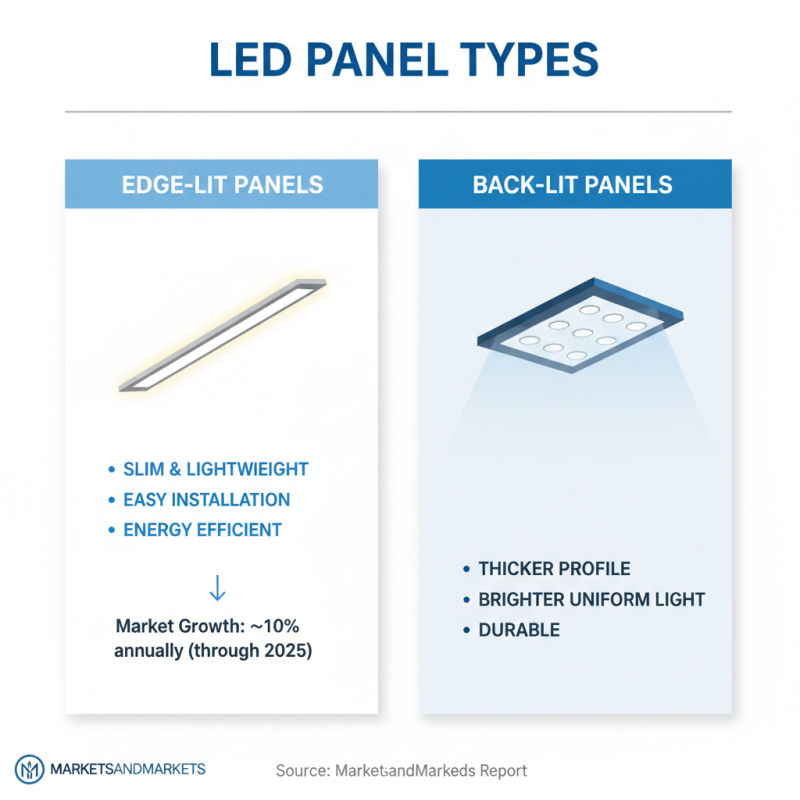
When choosing LED panels for your space, understanding the different types of panels available and their features is crucial. LED panels can mainly be categorized into edge-lit and back-lit types, each with its unique advantages. Edge-lit panels are typically slimmer and more lightweight, making them easier to install in various ceilings. According to a report by MarketsandMarkets, the demand for edge-lit panels is increasing due to their energy efficiency and low profile, with a projected market growth rate of around 10% annually through 2025.
On the other hand, back-lit LED panels provide uniform lighting and are generally more suitable for larger spaces where consistent brightness is required. They utilize a matrix of LEDs behind the panel to illuminate the surface evenly, which can drastically reduce glare and improve visual comfort. Research from the American Society of Interior Designers indicates that proper lighting in workspace environments can enhance productivity by up to 15%. This highlights the importance of selecting LED panels, not just for aesthetics, but for functionality as well.
Furthermore, consider the color temperature and CRI (Color Rendering Index) of the LED panels. A color temperature around 4000K is often recommended for office spaces to promote focus and reduce eye strain, while a CRI of 90 or above helps in displaying colors accurately, essential for tasks needing precision. As illuminated environments can significantly impact mood and performance, understanding these features will enable you to make a more informed decision that aligns with your space's needs.
Evaluating Brightness and Color Temperature for Your Space
When selecting LED panels for your space, evaluating brightness and color temperature is crucial to ensuring the perfect lighting atmosphere. Brightness, typically measured in lumens, determines how much light the panel emits. For living areas, a softer brightness is often desirable to create a cozy ambiance, while workspaces may benefit from brighter panels that enhance focus and visibility. It's essential to consider the room's size and function when choosing the appropriate brightness level to avoid overwhelming or underwhelming the space.
Color temperature, measured in Kelvin (K), also plays a significant role in the lighting experience. Warm white lights (below 3000K) can create a comfortable, inviting environment ideal for relaxation areas. On the other hand, cool white lights (between 4000K and 5000K) resemble natural daylight, making them suitable for offices and kitchens where clarity and attention are essential. Understanding the emotional and functional impact of different color temperatures will help you craft the desired atmosphere in your home or workplace.
In making your selection, always consider the purpose and mood you wish to establish. It’s also beneficial to test different lighting setups before committing to a final choice. Adjusting the brightness and color temperature can dramatically alter the space, so don’t hesitate to experiment. Smaller changes can yield significant results, allowing you to find the perfect LED panel configuration for your needs.
Brightness and Color Temperature Evaluation for LED Panels
Assessing Size and Shape Compatibility with Your Walls
When selecting LED panels for your walls, one of the most critical considerations is the size and shape compatibility with your existing space. The dimensions of the wall where you plan to install the panels should be accurately measured. Larger panels can create a dramatic effect, but they need sufficient wall space to avoid overwhelming the room. Conversely, smaller panels can be used to create unique layouts or accents, especially in tight or irregularly shaped areas.
In addition to size, the shape of the LED panels should complement your wall design. For instance, rectangular panels are versatile and can be arranged either vertically or horizontally, making them suitable for a variety of wall spaces. On the other hand, square or custom-shaped panels can add an artistic touch, enhancing the visual appeal of the area. It’s essential to visualize how different shapes interact with the overall room aesthetic, ensuring that the chosen panels align with your design vision while maximizing functionality.
Exploring Mounting Options for LED Panels in Different Environments
When it comes to installing LED panels in various environments, understanding the mounting options can significantly impact both functionality and aesthetics. There are several methods to consider, each tailored to specific space requirements and usage. For instance, recessed mounting is perfect for drop ceilings, offering a sleek, modern look while saving space. In contrast, surface mounting is ideal for walls or ceilings where installation flexibility is needed, allowing for easy access to the panels for maintenance or replacement.
When choosing the best mounting option for LED panels, one crucial tip is to assess the environment where they will be installed. Areas with heavy foot traffic or those prone to environmental disturbances may benefit from more robust mounting options, such as brackets or frames that provide extra support. According to a recent report from the Illuminating Engineering Society, proper installation and mounting can enhance projected lifespan and efficiency by up to 20%. Additionally, opting for adjustable mounts allows for better angles and lighting control, which can significantly alter the mood and functionality of a room.
Another important consideration is the integration of the LED panels with existing systems, particularly in commercial settings. Collaborating with professional installers who are familiar with the latest mounting technologies can yield improved performance outcomes. The global market for LED fixtures, including panels, is anticipated to grow by 12.2% annually from 2021 to 2028, highlighting the increasing importance of selecting appropriate mounting solutions that not only support efficiency but also adapt to the changing demands of diverse environments.
Top 10 Tips for Choosing the Best LED Panels Wall for Your Space - Exploring Mounting Options for LED Panels in Different Environments
| Tip # |
Tip Description |
Best Environment |
Mounting Option |
| 1 |
Choose the right brightness level |
Offices |
Wall-mounted |
| 2 |
Consider color temperature |
Retail Stores |
Flush-mounted |
| 3 |
Evaluate panel size |
Conference Rooms |
Recessed |
| 4 |
Check for energy efficiency |
Home Theaters |
Hanging mounted |
| 5 |
Assess installation requirements |
Learning Environments |
Wall-mounted |
| 6 |
Consider control options |
Restaurants |
Ceiling mounted |
| 7 |
Explore smart features |
Offices, Homes |
Wall-mounted |
| 8 |
Select the right mounting type |
Art Studios |
Hanging mounted |
| 9 |
Verify warranty and support |
Corporate Settings |
Wall-mounted |
| 10 |
Plan for future scalability |
Multi-use Spaces |
Modular mounted |
Considering Energy Efficiency and Cost-effectiveness of LED Panels
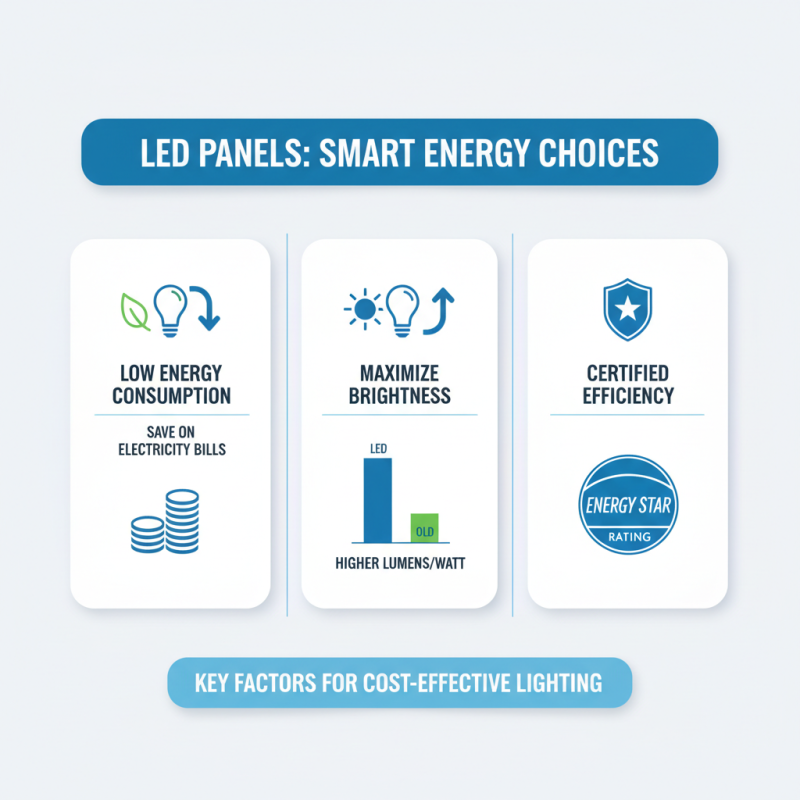
When considering the energy efficiency and cost-effectiveness of LED panels for your space, there are several key factors to keep in mind. LED panels are renowned for their low energy consumption compared to traditional lighting options, which can lead to significant savings on electricity bills. By choosing LED panels with a higher lumen output per watt, you can ensure that you are maximizing brightness while minimizing energy use. Look for products with an Energy Star certification or similar energy efficiency ratings, as these indicate superior performance in conserving energy.
Cost-effectiveness goes beyond just the initial purchase price of LED panels. It's important to take into account the lifespan of the panels, which often exceeds 25,000 hours, compared to the much shorter lifespan of conventional bulbs. This longevity means fewer replacements and reduced maintenance costs over time. Furthermore, many LED panels are designed with features such as dimming capabilities and smart technology integration, which can further enhance energy savings. By investing in high-quality LED panels, you not only improve the lighting quality in your space but also contribute to long-term financial savings and a more sustainable environment.