What is a Led Screen Display and How Does it Work?
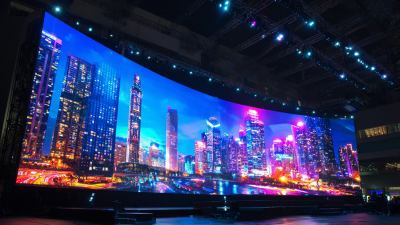
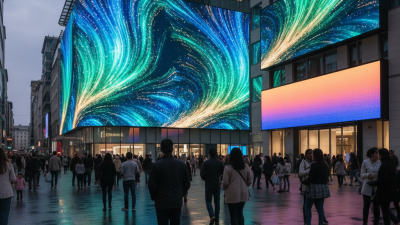
Led Screen Displays have transformed modern visual communication. These screens use light-emitting diodes to produce bright, vivid images. They are everywhere, from billboards to concert stages. Their ability to display dynamic content captures attention effectively.
Understanding how Led Screen Displays work opens up new possibilities. The technology relies on thousands of tiny diodes. These diodes emit light when electricity passes through them. However, not all displays perform equally. Low-quality screens may lack brightness or clarity, which could frustrate viewers.
In today's fast-paced world, clear visuals are crucial. Businesses rely on Led Screen Displays to convey messages quickly. Yet, the constant demand for high quality can lead to oversight. Companies must balance cost with visual integrity. This tension can result in displays that do not meet expectations. Recognizing these challenges is essential for optimal usage.
Definition and Overview of LED Screen Displays
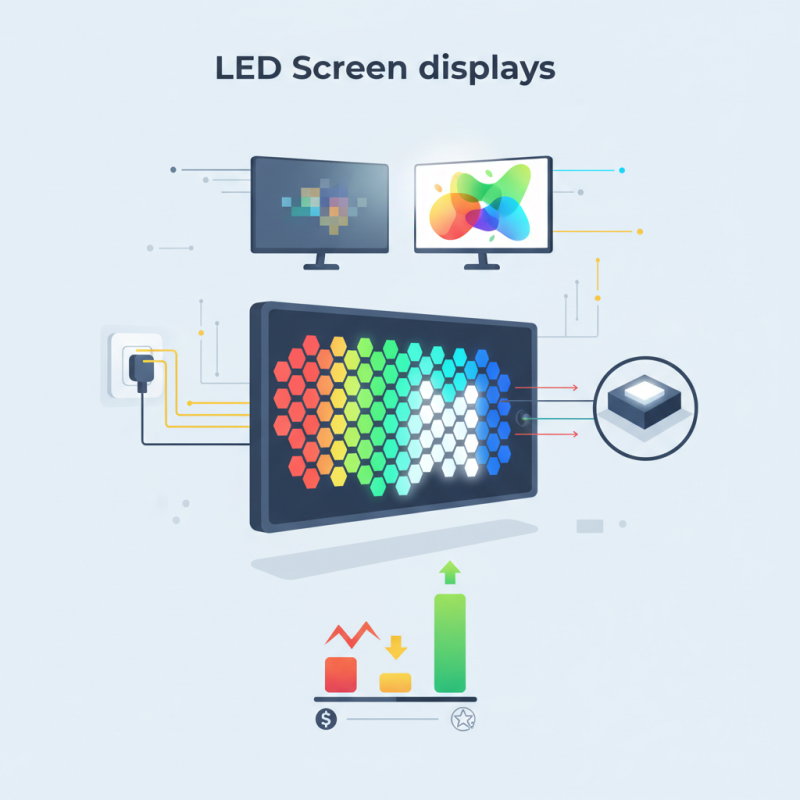
LED screen displays are revolutionizing how we experience visual content. These screens use light-emitting diodes (LEDs) to create clear, vibrant images. Unlike traditional displays, LEDs do not rely on backlighting, making them more efficient and providing better contrast.
The basic structure involves clusters of tiny LEDs arranged in a grid. Each cluster can emit various colors when powered. As a result, the screens deliver high brightness levels. Outdoor displays benefit especially from this feature. However, the manufacturing process can be complex and costly. The technology keeps evolving, but some screens suffer from color calibration issues.
Although LED screens are widely used, they aren't perfect. Viewing angles can vary, affecting the overall experience. Sometimes, the quality diminishes in different lighting situations. Moreover, replacing defective LEDs can be challenging. Despite these flaws, LED displays continue to dominate, pushing the boundaries of visual technology.
Comparison of LED Screen Display Types
Types of LED Display Technologies and Their Applications
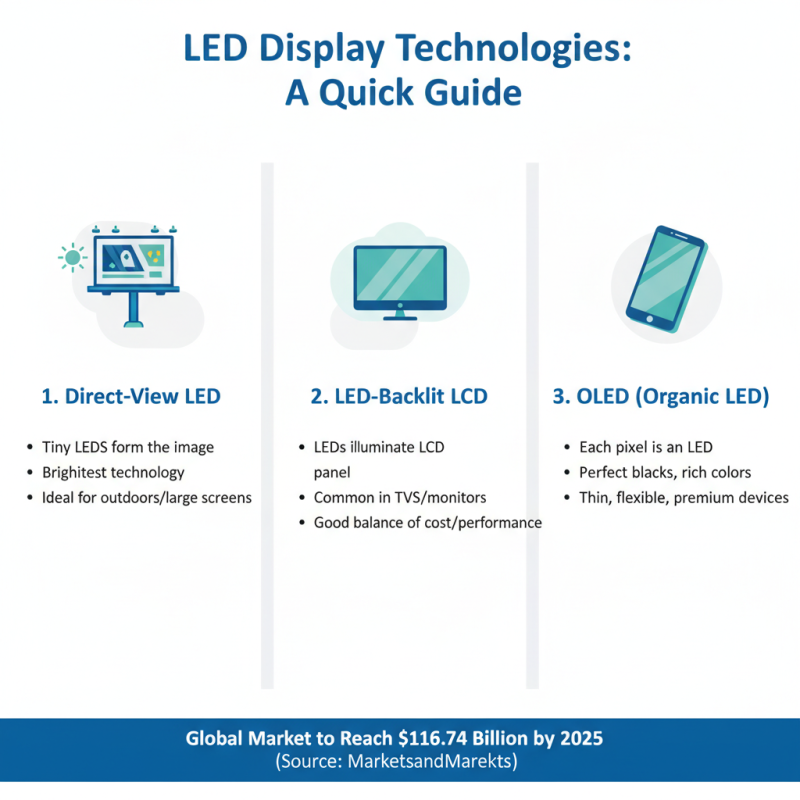
LED display technologies have evolved significantly, finding their place in diverse applications. There are primarily three types of LED technology: direct view LED, LED backlit LCD, and OLED. Direct view LED screens are widely used in outdoor advertising due to their brightness and visibility in sunlight. In fact, according to a recent report by MarketsandMarkets, the global LED displays market is expected to reach $116.74 billion by 2025.
LED backlit LCDs dominate the television and computer monitor sectors. They offer improved energy efficiency and color accuracy compared to older technologies. However, they may not provide the same level of contrast as OLEDs. OLED displays, while often found in high-end devices, can suffer from burn-in issues, limiting their lifespan. A report by IHS Markit noted that OLED shipments are projected to grow by over 16% annually through 2024, indicating their rising popularity despite some drawbacks.
Applications extend beyond consumer electronics. Professional arenas, retail spaces, and transportation hubs utilize LED displays for their vibrant visuals. However, the market faces challenges, like fluctuating material costs and sustainability concerns. The environmental impact of LED production is a valid point of debate. As the industry grows, it must tread lightly and innovate responsibly.
Components and Structure of an LED Screen Display
LED screen displays consist of several key components, each playing a vital role in their function. At the core, we find LED light sources. These lights emit bright, vibrant colors. Their small size allows them to be arranged closely, providing clarity. The arrangement creates pixels, which combine to form images. Each pixel consists of red, green, and blue sub-pixels. This RGB configuration is crucial for color mixing.
The structure includes a protective layer made of glass or acrylic. This layer shields the components from environmental factors. Beneath the surface, a driver circuit controls the LED lights. It receives signals from a computer or other media device. This process manages brightness, color, and refresh rates. However, the quality of the driver impacts performance.
Various designs exist, including front and rear access configurations. Each has pros and cons, depending on installation and maintenance needs. Sometimes, the pixel pitch, or distance between pixels, can be too wide. This affects image resolution at a distance. Understanding these components is essential for those who work with LED technology.
How LED Screen Displays Function: The Technology Behind Them
LED screen displays are increasingly popular due to their vibrant colors and energy efficiency. At the core of this technology are light-emitting diodes, or LEDs. These tiny lights emit bright light when an electric current passes through them. Each screen consists of numerous individual pixels made up of these LEDs. Each pixel can change color, creating stunning images and videos.
How do they function? LEDs can be grouped in various configurations to form pixels. Red, green, and blue LEDs combine to make full-color displays. The screen's controller processes the input signal, translating it into instructions for each pixel. This allows for quick changes and sharp images. However, the technology isn’t without flaws. Sometimes, color inconsistencies arise, leading to uneven displays. Proper calibration is crucial but often overlooked.
Another factor is the visibility under different lighting conditions. While bright environments can diminish visibility, advanced models attempt to counteract this. Despite these challenges, LED technology continues to evolve and improve. The constant innovation leaves room for better solutions in the future.
Advantages and Disadvantages of Using LED Screen Displays
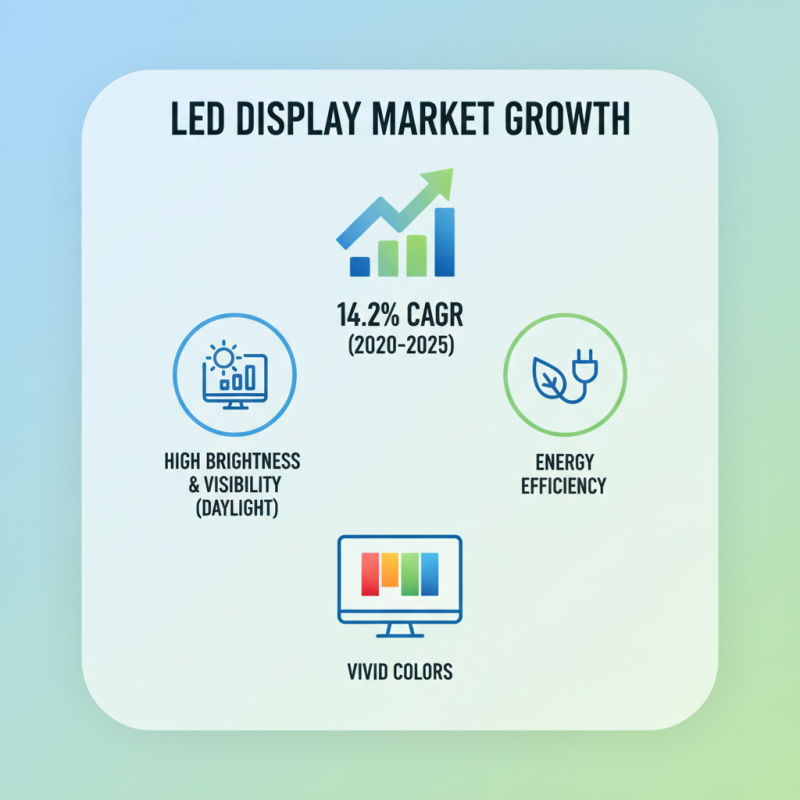
LED screen displays have become increasingly popular in various sectors. Their advantages include high brightness and energy efficiency. According to a report by MarketsandMarkets, the LED display market is expected to grow at a CAGR of 14.2% from 2020 to 2025. This growth is driven by their vivid colors and excellent visibility even in daylight conditions.
However, there are downsides to consider. The initial costs of installation can be significant. A study from Grand View Research highlights that although LED screens save on energy in the long run, the upfront investment can deter many businesses. Furthermore, while they are highly durable, they can experience issues like pixel failure. This creates additional maintenance challenges that can be costly over time.
Not all LED displays are created equal. Color accuracy may vary, and some models struggle with viewing angles. These limitations can affect user experience, especially in settings where precise color rendering is essential. Thus, businesses must weigh the benefits against potential drawbacks. It’s crucial to conduct thorough research before committing to a specific display solution.