What is a Digital Led Display and How Does It Work?
In today's visual-centric world, the "Digital Led Display" plays a vital role in communication and advertising. Experts like Dr. Lisa Chen, a prominent figure in display technology, emphasize, "Digital Led Displays have revolutionized how we convey information and engage audiences." Her insights shed light on the transformative power of these displays.
Digital Led Displays are not just bright screens; they are tools for storytelling. Their vibrant colors and dynamic content capture attention effectively. We see them in bustling cities, busy airports, and even at events. Yet, despite their benefits, there are challenges. For instance, ensuring content relevance is crucial; outdated messages can lead to viewer disengagement.
Lights flash, colors change, but what happens when the technology fails? Maintenance can be costly and complicated. Additionally, the environmental impact of such displays raises questions. While Digital Led Displays continue to innovate, professionals in the industry must consider sustainability and audience connection.
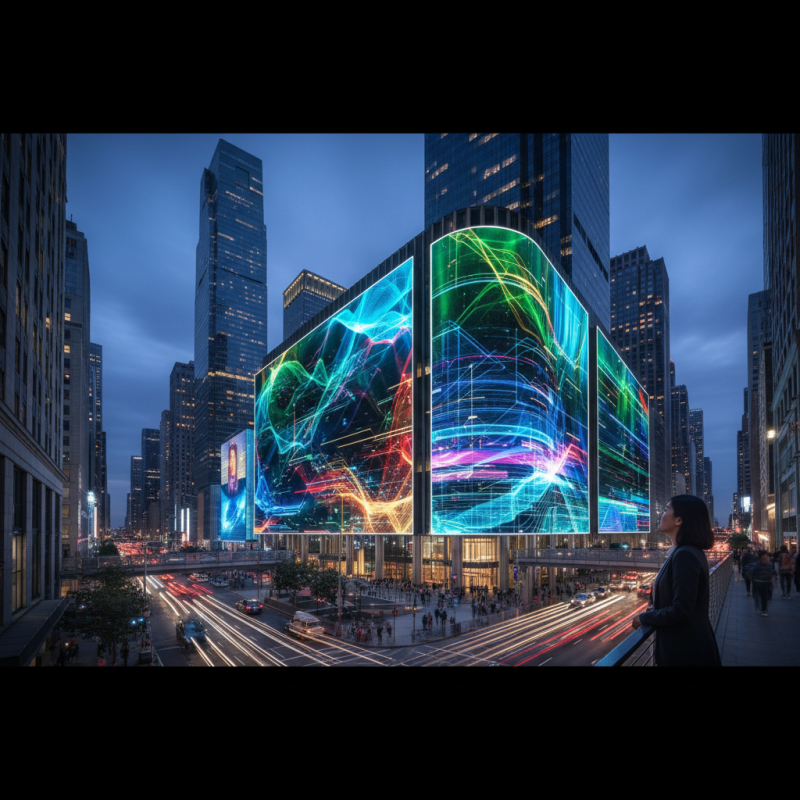
What is a Digital LED Display?
A digital LED display is an electronic display that uses light-emitting diodes to present information. These displays are prevalent in advertising, transportation, and public information systems. They come in various sizes, from large billboards to small screens. A major advantage is their brightness, which makes them visible in direct sunlight.
In recent years, the market for digital LED displays has grown significantly. According to a report by the International Display Consortium, the global market is expected to reach $60 billion by 2025. This indicates a compound annual growth rate of about 10%. Such numbers underline the value of digital LED technology in modern communication.
Digital LED displays can present dynamic content. This allows for real-time updates, enabling businesses to engage with audiences more effectively. However, the reliance on technology raises concerns. The quality can vary widely among manufacturers. Some displays may suffer from color inconsistency and reduced lifespan. Users often overlook these factors, which can lead to disappointment. Regular maintenance is necessary, adding to operational costs.
Key Components of Digital LED Displays
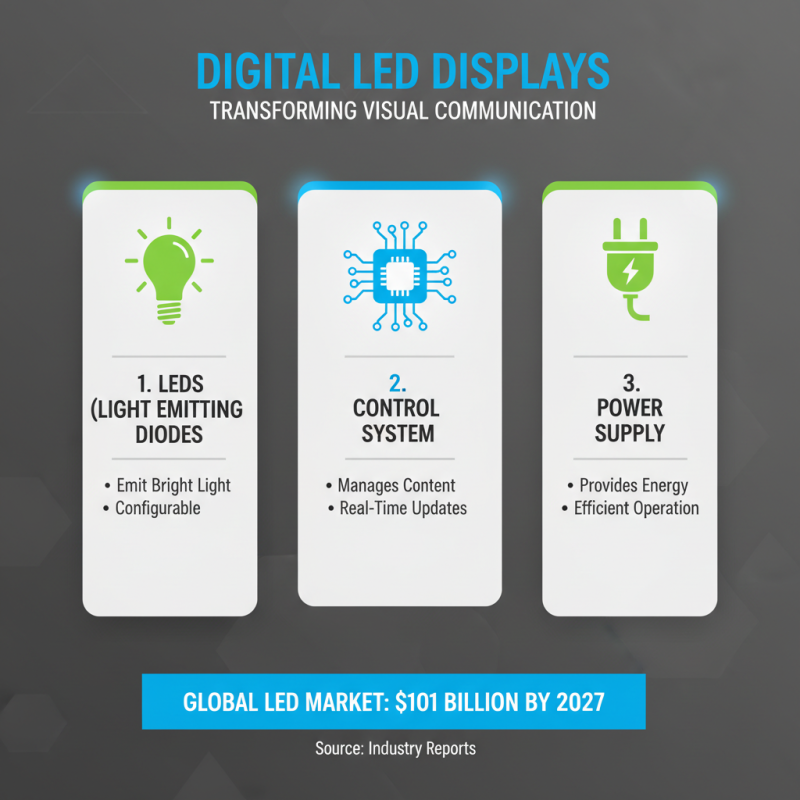
Digital LED displays have transformed visual communication. Their core components play a crucial role in their functionality. A typical display consists of LEDs, a control system, and a power supply. LEDs are the heart. They emit bright light and can be configured for various applications. According to industry reports, the global LED market is expected to reach $101 billion by 2027, emphasizing their increasing prevalence.
The control system manages LED functions. It interprets data and translates it into images or animations. This system connects to software that allows users to schedule content. Often, connectivity issues arise. Users may face challenges with outdated software or poor internet connections. Such technical hiccups can disrupt events or promotions.
Power supply units ensure that displays function efficiently. They convert electricity and regulate voltage. A failure in the power supply can lead to costly downtime. Reports indicate that around 30% of digital displays experience performance issues linked to power supply failures. Proper maintenance and regular checks can help mitigate these risks, but many operators overlook this aspect.
How Digital LED Displays Operate Mechanically and Electronically
Digital LED displays are widely used for their vibrant visuals and energy efficiency. They operate through a combination of mechanical and electronic systems. At their core, they consist of an array of light-emitting diodes (LEDs) arranged in a grid. When electrical current passes through these diodes, they emit light. This process is known as electroluminescence.
The mechanical aspect involves the display structure itself. Most digital LED displays employ a modular design. Each module can be replaced or repaired individually. This modularity improves maintenance efficiency. According to industry reports, the global digital signage market is expected to reach $31.71 billion by 2026, highlighting the growth in demand for these displays. However, the reliability of components can vary significantly. Manufacturers often face challenges with inconsistency in LED output.
From an electronic perspective, digital LED displays rely on complex circuitry. The circuit boards manage power distribution and signal processing. The quality of these components can directly affect performance. Not all displays maintain uniform brightness or color accuracy. Studies indicate that up to 30% of users report dissatisfaction with display quality within the first year. Addressing these issues requires ongoing research and development within the industry.
Applications of Digital LED Displays in Various Industries
Digital LED displays have transformed various industries with their versatility and effectiveness. In retail, for instance, these displays enhance customer engagement. A recent survey found that 74% of consumers were more likely to enter a store with eye-catching digital signage. These displays can showcase promotions, which can lead to a significant increase in sales.
In the transportation sector, Digital LED displays serve crucial roles. Airports and train stations utilize them for real-time updates. A report indicates that 65% of travelers prefer digital signage for getting information. However, the implementation must be improved. Some displays can be hard to read in bright sunlight, which can frustrate users.
The sports industry also benefits from Digital LED displays. They provide live statistics and replay highlights, captivating audiences. According to industry data, stadiums that use high-quality digital screens see up to a 30% boost in attendance. Yet, maintenance can be a challenge. Over time, screens may fade or suffer pixel damage, affecting the viewer's experience. Regular assessments are essential to maintain clarity and effectiveness.
Applications of Digital LED Displays in Various Industries
Industry Trends: The Future of Digital LED Display Technology
Digital LED displays are evolving rapidly. They are becoming more vibrant and efficient. As we look to the future, several trends are shaping the industry. One major trend is the increase in resolution. Higher resolution displays provide clearer images and better details. This is crucial for environments like stadiums and concerts.
Another trend is the integration of smart technology. With cloud connectivity, users can control displays remotely. This makes it easier to update content in real-time. More businesses are using these capabilities to engage customers. They can display tailored messages based on customer behavior.
Tip: When considering a digital LED display, think about its location. Bright environments may require displays with higher brightness levels.
Sustainability is also a key focus. Companies are developing eco-friendly materials and energy-efficient technologies. This is a response to consumer demand for greener products. However, the challenge lies in balancing cost and ecological impact.
Tip: Regular maintenance can prolong the life of your display. Schedule check-ups to avoid future issues.
As technology advances, these trends will only grow. The potential for digital LED displays is immense, but the journey is not without its hurdles. Businesses must navigate evolving consumer preferences and technological changes.