How to Choose the Best Digital Led Display for Your Business in 2025
In the rapidly evolving landscape of digital marketing, the importance of a Digital Led Display in promoting your business cannot be overstated. As digital signage technology improves, businesses are increasingly leveraging LED displays to engage customers and enhance visibility. According to a recent report by MarketsandMarkets, the global digital signage market is projected to grow from USD 20.0 billion in 2021 to USD 38.2 billion by 2026, indicating a compound annual growth rate (CAGR) of 14.6%. This surge highlights the growing reliance on vibrant and adaptable visual displays that digital LED technology affords.
When choosing the best Digital Led Display for your business in 2025, it’s essential to consider not just the aesthetic appeal but also how it can effectively communicate your brand message. Research from Statista indicates that 75% of consumers visit a store after seeing its digital signage. Therefore, selecting the right display can significantly influence customer behavior and drive foot traffic. As the technology matures, factors such as resolution, brightness, energy efficiency, and interactivity will play crucial roles in determining the best digital signage solutions tailored to meet the specific needs of diverse industries. Thus, understanding these trends and making informed choices will be pivotal for businesses aiming to stand out in a crowded marketplace.
Understanding the Importance of Digital LED Displays for Businesses
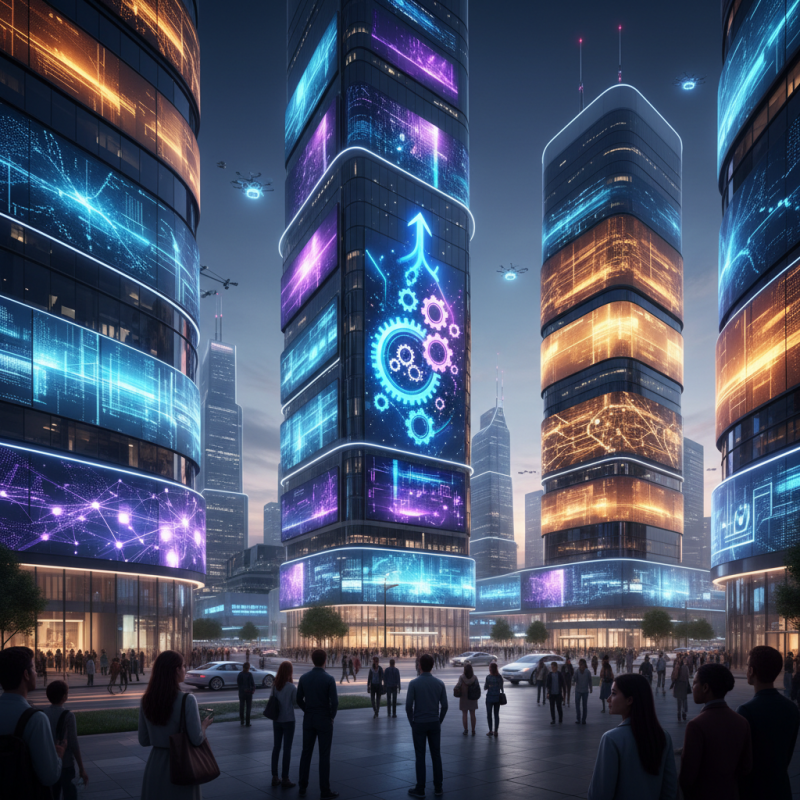
Understanding the importance of digital LED displays for businesses is pivotal in the contemporary marketplace. These displays are not just a means of communication; they have transformed into essential tools that enhance brand visibility, engage customers, and boost sales. In an era where attention spans are waning, digital LED displays capture the audience’s focus through vibrant colors and dynamic content. They allow businesses to showcase promotions, announcements, or interactive content in real-time, adapting quickly to market trends and customer preferences.
Moreover, the versatility of digital LED displays allows for a wide range of applications across different industries. Retailers utilize them to highlight special offers, while restaurants may display menu items or daily specials. In addition to driving foot traffic, these displays can also create an immersive shopping experience, encouraging customers to spend more time and money. By investing in digital LED technology, businesses not only improve their marketing efforts but also convey a modern image that resonates with today’s tech-savvy consumers.
Key Features to Look for in Digital LED Displays in 2025
When selecting the best digital LED display for your business in 2025, it is essential to focus on several key features that can enhance visibility and engagement. One of the most critical aspects is resolution. As consumer expectations evolve, high-resolution displays, such as those with 4K or higher pixel density, will become increasingly important. According to a recent industry report from the International Display Research Association, 60% of businesses noted improved customer interaction rates when utilizing higher resolution displays.
Another feature to consider is brightness. In environments with high ambient light, such as retail stores or outdoor settings, displays with a brightness level of at least 5000 nits are recommended. Bright displays ensure content remains clear and eye-catching, even under direct sunlight. Research from the Global LED Display Market Analysis indicates that displays exceeding this brightness threshold can improve audience engagement metrics by up to 30%, thereby translating into higher conversion rates.
Lastly, connectivity options are vital for contemporary digital displays. In 2025, businesses should prioritize LED displays that support seamless integration with wireless technology and IoT systems. This flexibility allows for real-time content updates and better audience targeting. An industry trend report highlighted that businesses leveraging smart displays reported a 25% increase in operational efficiency. By focusing on these key features, businesses can make informed decisions that drive success and ensure that their LED displays remain impactful.
Key Features of Digital LED Displays in 2025
Evaluating the Cost vs. Benefits of Digital LED Displays
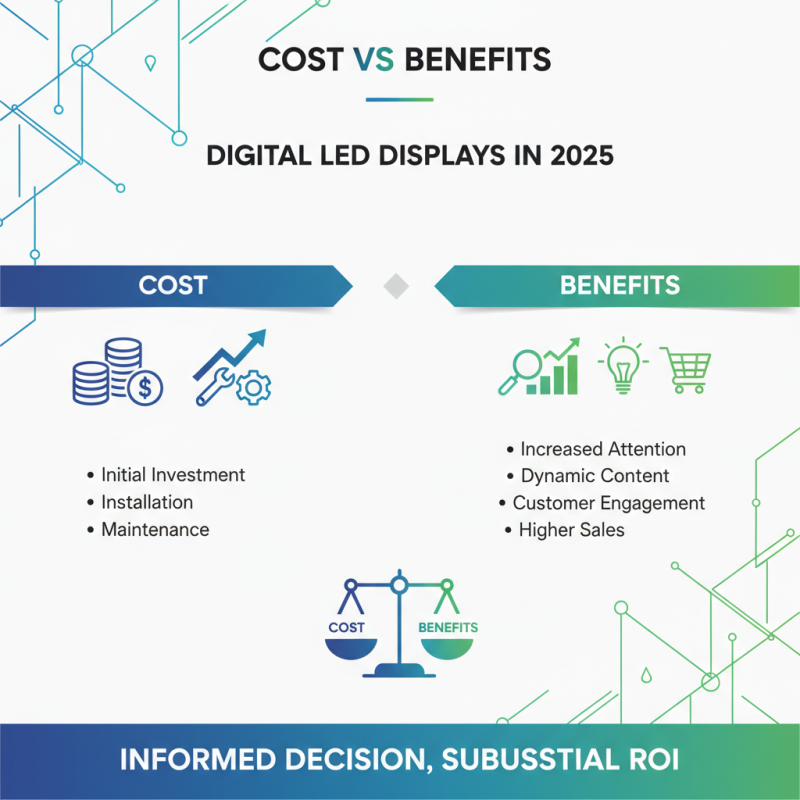
When considering the integration of digital LED displays into your business in 2025, evaluating the cost versus benefits is crucial for making an informed decision. Digital LED displays involve an initial investment that can be significant, encompassing the purchase price, installation costs, and ongoing maintenance. However, the potential return on investment can be substantial. These displays not only attract attention but also allow for dynamic content that can be easily modified to suit various promotional needs, which can lead to increased customer engagement and ultimately, higher sales.
Moreover, the benefits of digital LED displays extend beyond just immediate sales boosts. They can serve as powerful branding tools, enhancing visibility and conveying messages clearly and effectively. By showcasing promotions, events, or information in real-time, businesses can adapt to market trends and consumer behaviors more swiftly than traditional advertising methods permit. The long-term savings on print materials and the ability to update content at a moment’s notice greatly enhance the overall value proposition of digital LED displays. Thus, while the upfront costs may seem daunting, the lasting advantages in terms of customer reach and operational flexibility offer a compelling case for investment.
Choosing the Right Size and Resolution for Your Business Needs
When selecting a digital LED display for your business, the size and resolution are critical factors that can significantly impact your visibility and message delivery. First, consider the environment where the display will be installed. For outdoor settings, larger displays with a lower resolution might suffice since viewers will be viewing the screen from a distance. Conversely, indoors or in areas with foot traffic, a smaller display with higher resolution is essential to ensure clarity and detail. This allows potential customers to engage with your content effectively, making a lasting impression.
Resolution is equally pivotal in defining the user experience. As a general guideline, the pixel pitch, which determines how close the pixels are to each other, impacts the display’s quality. A smaller pixel pitch translates to a higher resolution, ideal for detailed visuals and text that attracts attention. For example, if your primary goal is to showcase intricate graphics or video content, investing in a high-resolution display will enhance the overall impact of your marketing efforts and ensure that your messages resonate with your audience. Balancing size and resolution tailored to your specific needs will ultimately drive better engagement and return on investment.
Exploring Options for Customization and Brand Integration in Displays
In the rapidly evolving market of digital LED displays, customization and brand integration are becoming pivotal for businesses aiming to enhance their visibility and consumer engagement. A recent report by MarketsandMarkets projects that the global digital signage market will grow from $23.2 billion in 2020 to $38.2 billion by 2025, underscoring the increasing importance of tailored display solutions. Businesses must consider how these displays can be integrated seamlessly with their branding strategies to create a cohesive aesthetic that resonates with their target audience.
Customization options available for digital LED displays are vast, ranging from software interfaces that allow for real-time content updates to hardware options that can fit various sizes and environments. According to a survey conducted by Statista, over 70% of customers respond positively to personalized content, illustrating how strategic customization can significantly enhance engagement. For instance, incorporating brand colors, logos, and unique messaging into the display allows businesses to create a distinct visual identity. Moreover, businesses should also explore interactive features that enable customers to participate, fostering a more immersive experience that reinforces the brand's value and message. By focusing on these elements, companies can ensure that their digital displays not only capture attention but also drive brand loyalty and customer interaction effectively.