How to Choose the Best Digital Led Display for Your Needs
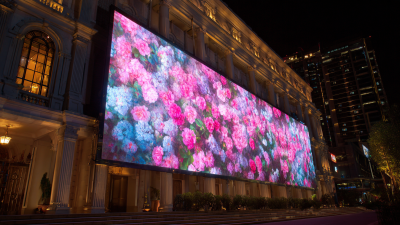
In today's fast-paced digital world, the importance of a quality Digital Led Display cannot be overstated. As businesses increasingly leverage visual technology to engage customers, the selection of the right display becomes crucial. According to industry expert Sarah Thompson, a renowned consultant in visual communications, "Choosing the right Digital Led Display is not just about brightness and clarity; it’s about ensuring that the technology meets your specific needs." This highlights the necessity of understanding the unique requirements of each individual or organization when considering a digital display solution.
When navigating the myriad of options available, it’s vital to assess factors such as resolution, size, and application environment. Not all Digital Led Displays are created equal, and what works for one scenario may not work for another. For example, outdoor displays must endure varied weather conditions while still providing clear and vibrant visuals. Likewise, indoor displays might focus more on pixel density and viewing angles. As Sarah Thompson suggests, "A well-informed choice can enhance communication and elevate the viewer's experience significantly." By following a structured approach to evaluate your needs, you can identify the Digital Led Display that will best serve your objectives and resonate with your audience.
Understanding the Different Types of Digital LED Displays in the Market
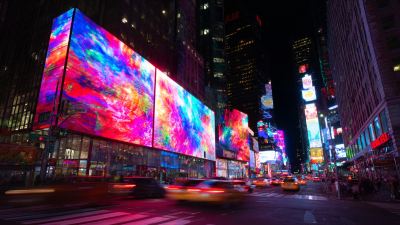
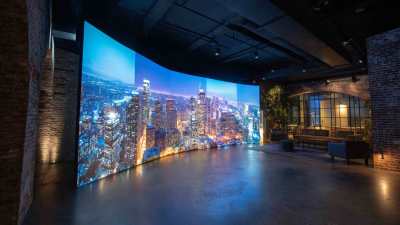
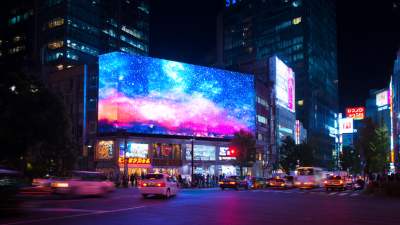
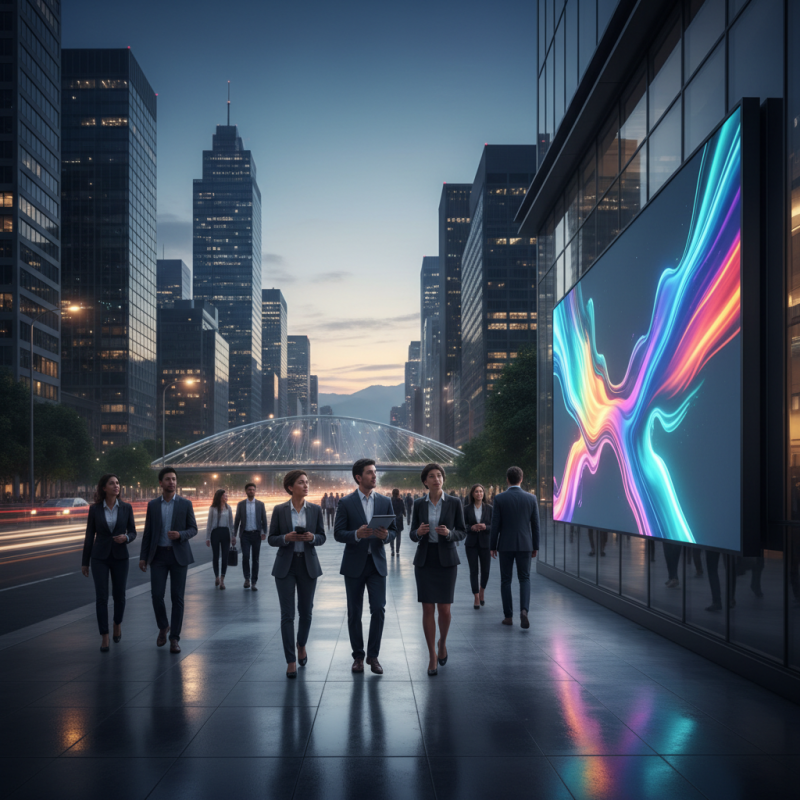
When selecting a digital LED display, understanding the various types available in the market is critical for making an informed choice. Digital LED displays typically fall into several categories, including indoor, outdoor, and transparent displays. Indoor LED displays are often used in venues like shopping malls and theaters where visibility and color vibrancy are paramount. Outdoor displays, on the other hand, are built to withstand environmental factors, offering high brightness levels that can reach up to 10,000 nits, ensuring clarity even in direct sunlight. According to a report by MarketsandMarkets, the outdoor LED display market is projected to grow from $5.1 billion in 2020 to over $8.4 billion by 2025, underlining the increasing demand for high-quality outdoor solutions.
Another innovative type is the transparent LED display, which is gaining traction in retail environments for its ability to blend seamlessly into glass surfaces without obstructing views. These displays typically have transparency rates as high as 60-80%, providing a unique advertising format that attracts consumers without disrupting the aesthetic of the space. Additionally, the integration of advanced technologies, such as HDR (High Dynamic Range), enhances the visual experience by improving picture quality and contrast, a feature highlighted in the recent trends analysis by Display Supply Chain Consultants. As the market evolves, understanding the specific characteristics and applications of each display type is essential for businesses seeking to maximize engagement and return on investment.
How to Choose the Best Digital Led Display for Your Needs
| Type of Display |
Resolution |
Ideal Use Case |
Brightness (nits) |
Lifespan (Hours) |
| Indoor LED Display |
1920 x 1080 |
Trade Shows, Retail |
800 - 1200 |
50,000 |
| Outdoor LED Display |
3840 x 2160 |
Billboards, Stadiums |
4000 - 6000 |
100,000 |
| Video Wall |
1920 x 1080 (per panel) |
Control Rooms, NOCs |
300 - 600 |
50,000 |
| Flexible LED Display |
1280 x 720 |
Stage Backdrops, Events |
1000 - 2000 |
30,000 |
Key Factors Influencing the Selection of Digital LED Displays
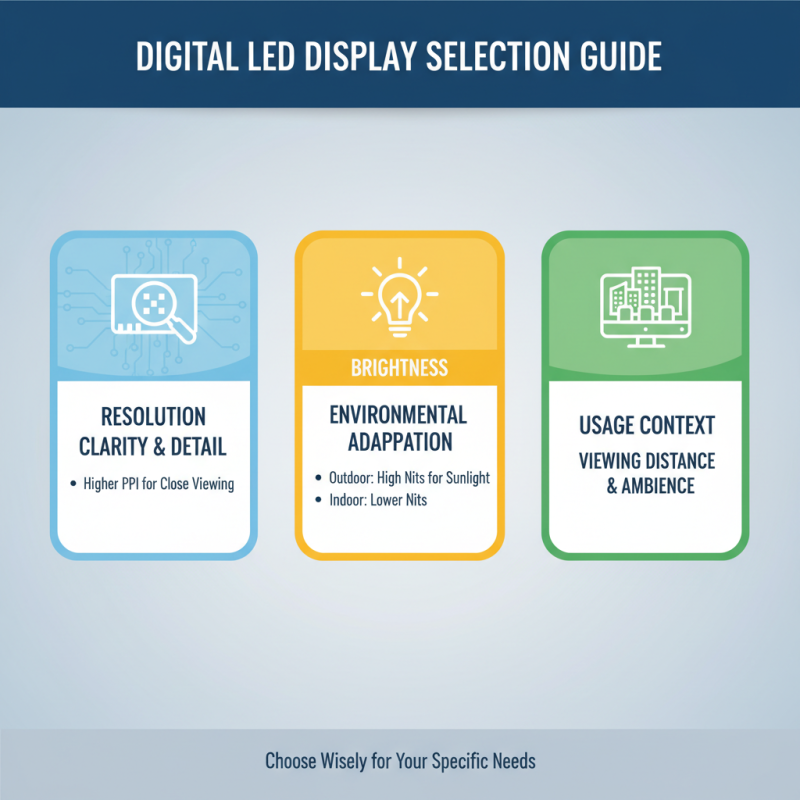
When selecting a digital LED display, several key factors should influence your decision to ensure it meets your specific needs. First, consider the display's resolution, which directly affects the clarity and sharpness of the images. Higher resolutions provide more detail, making them suitable for close viewing where fine text and images are crucial. Think about the environment in which the display will be used; outdoor displays typically require higher brightness to combat sunlight, while indoor displays can operate effectively with lower brightness levels.
Another significant factor is the size and aspect ratio of the display. Assess the viewing distance and the space available for installation to determine the optimal dimensions. Additionally, the aspect ratio should align with the content you plan to showcase, whether it be advertisements, videos, or live feeds. Furthermore, the connectivity options and technology compatibility are essential, as these features ensure that the display can interface seamlessly with other devices and support various content formats. By weighing these considerations carefully, you can select a digital LED display that not only enhances visibility but also enriches overall user experience.
Assessing Brightness and Resolution: Industry Standards and Recommendations
When selecting a digital LED display, two crucial factors to consider are brightness and resolution, as these attributes significantly impact visual performance and viewer experience. Brightness, measured in nits, indicates how well a display can perform under varying lighting conditions. Industry standards suggest that for indoor LED displays, a brightness level of around 1,000 to 2,500 nits is optimal. However, for outdoor displays, higher brightness levels ranging from 3,000 to 7,000 nits are recommended to ensure visibility in bright sunlight.
Resolution, quantified by pixel count, determines the clarity and detail of the displayed images. The common term "pixel pitch" refers to the distance between individual pixels, with lower pixel pitches providing higher resolution. For most applications, a pixel pitch of 2.5mm or lower is considered ideal for viewing distances of around 10 feet, while a pitch of 5mm to 10mm is suitable for larger viewing distances, such as outdoor environments. According to a recent market research report, displays with pixel densities higher than 720x480 are becoming increasingly popular as content quality expectations rise. Therefore, assessing both brightness and resolution in accordance with specific usage scenarios is vital for choosing the right digital LED display.
Evaluating Cost vs. Quality: Making Informed Budget Decisions
When evaluating the cost versus quality of digital LED displays, it's essential to understand the trade-offs before making a purchase. According to industry reports, while the average price for high-quality LED displays can range from
$1,000 to $5,000 per square meter, investing in a more expensive option often yields a better return on investment. The longevity and lower maintenance costs of premium models can outweigh their upfront costs, as they typically offer enhanced brightness, energy efficiency, and superior image clarity.
When assessing your budget, consider the specific requirements of your application. For instance, displays for outdoor use need to withstand harsher conditions and typically feature higher brightness levels. A recent study indicated that outdoor LED screens can have a lifespan of over
100,000 hours, making them more effective in the long run. Therefore, while going for the cheapest option may seem appealing, it could lead to increased replacement and maintenance costs, skewing your overall budget.
Tips: Focus on your intended use and environment; if you need an outdoor display, prioritize durability and brightness over lower costs. Additionally, consider the total cost of ownership, which includes installation, maintenance, and operational costs over time. Always get expert consultations to ensure that your chosen display meets your specific requirements while also being cost-effective.
Installation and Maintenance Considerations for Optimal Performance
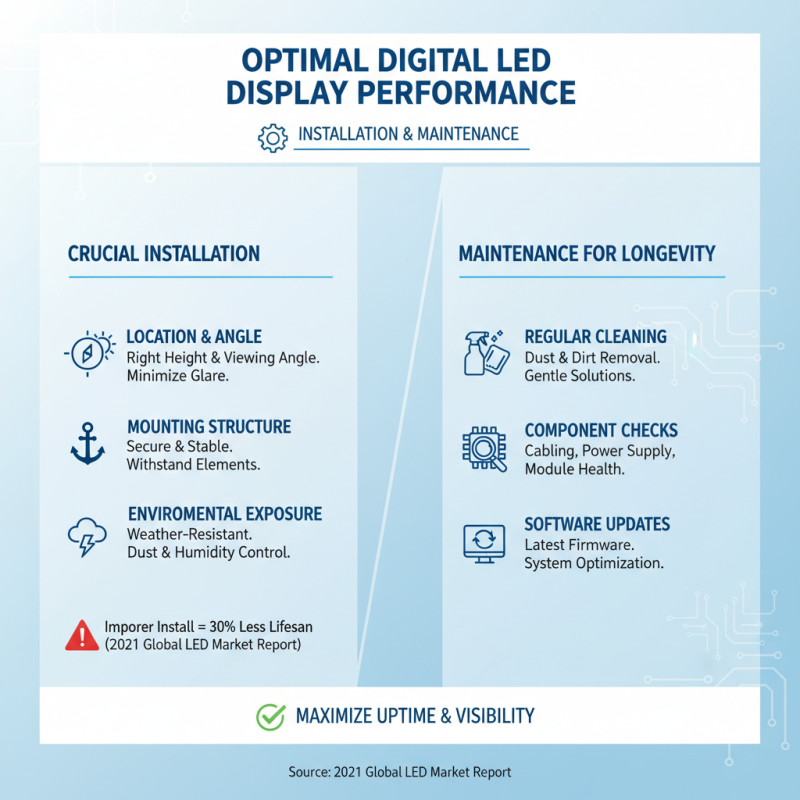
When selecting a digital LED display, installation and maintenance are crucial for ensuring optimal performance. Proper installation can significantly affect the display's visibility and longevity. According to the 2021 Global LED Market report, improper installation can decrease the lifespan of an LED display by up to 30%. Therefore, factors such as location, mounting structure, and environmental exposure must be carefully considered. Ensuring that the display is installed at the right angle and height can enhance its visibility, particularly in outdoor settings where sunlight can create glare, affecting readability.
Maintenance is equally important for the performance of digital LED displays. Regular inspections and cleaning can prevent issues such as pixel failure and reduce the risk of overheating. Research indicates that displays that undergo routine maintenance can achieve a 20% longer operational life than those that do not. Furthermore, adopting a predictive maintenance strategy, supported by IoT technology, can help in identifying potential problems before they escalate, reducing downtime. Industry studies show that displays maintained with best practices can save companies up to 25% in potential repair costs, making proactive maintenance not just beneficial for the display's longevity but also for overall operational efficiency.