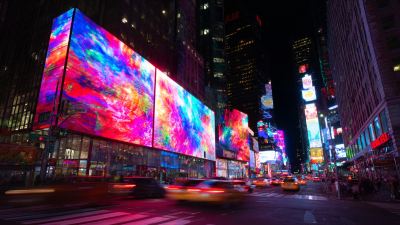
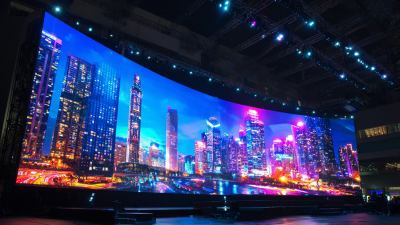
What is a Background Led Screen and Its Applications?
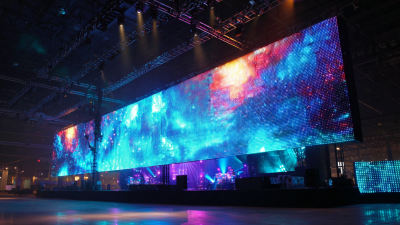
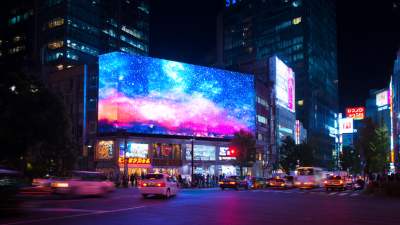
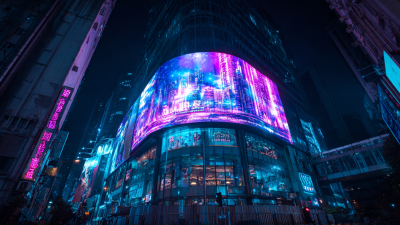
The Background Led Screen has gained significant traction in various industries. According to a recent report by MarketsandMarkets, the global LED screen market is projected to reach $26.72 billion by 2025, growing at a compound annual growth rate of 11.4%. This rise reflects the increasing demand for visually engaging content in events, concerts, and advertising.
These screens provide vibrant colors and high resolution, capturing audience attention effectively. In retail, Background Led Screens create immersive shopping experiences. They boost customer engagement and sales. However, the implementation can be expensive and requires careful integration into existing systems.
Moreover, not all applications utilize these screens effectively. Some installations fail to connect with their target audience. This leaves room for improvement in design and content strategy. As the technology evolves, continuous adaptation and creativity are essential. Ultimately, a Background Led Screen should enhance, not overwhelm, the viewer's experience.
Understanding Background Led Screens: Definition and Features
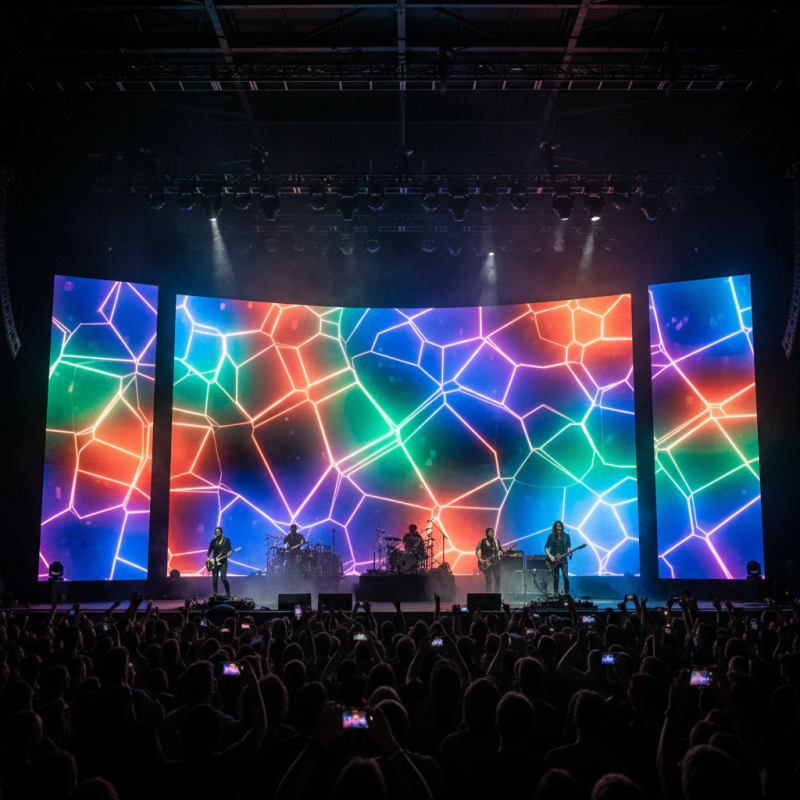
Background LED screens have gained prominence in various sectors. These screens provide vibrant visuals and can transform any space. They are commonly used in events, concerts, and advertising due to their high-resolution displays. According to a recent industry report, the global market for LED screens is expected to grow at a CAGR of 15% over the next five years. This growth demonstrates the increasing demand for dynamic visual solutions.
One notable feature of background LED screens is their versatility. They can adapt to different environments and requirements, from stage backdrops to corporate presentations. The brightness and clarity of these screens often surpass traditional displays. However, there is a challenge; not all venues can accommodate the power and installation needs of larger LED setups. This can limit their use in some settings.
Moreover, the cost of high-quality LED screens remains a concern for many organizations. Installing them can require substantial upfront investment. Despite this, the long-term benefits, such as energy efficiency and reduced maintenance, often justify the expense. Reports indicate that energy savings can reach up to 30% compared to older technology. Ultimately, the decision to invest should consider both immediate needs and future possibilities.
Applications of Background LED Screens
This chart illustrates the frequency of applications of background LED screens across various sectors, indicating that they are most commonly used in events and advertising.
Types of Background Led Screens and Their Construction Techniques
Background LED screens are becoming increasingly popular in various settings. Their construction can vary significantly based on type and purpose. Most commonly, they are made up of modular panels that allow flexible configurations. These panels often use a combination of materials to ensure durability and lightness.
There are generally two main categories of background LED screens: indoor and outdoor. Indoor screens usually have a higher pixel density. This provides sharper images but may not withstand outdoor elements. On the other hand, outdoor screens are designed with weather-resistant features and have lower pixel density. This makes them less detailed but more resilient.
**Tip:** When choosing a background LED screen, consider the environment. For indoor events, high resolution is preferred. For outdoor use, opt for durability.
Construction techniques vary as well. Some panels use aluminum frames for lightweight support. Others might rely on steel for increased sturdiness. The method of attachment also matters. Magnetic connections provide quick adjustments but may be less stable than screw-based systems.
**Tip:** Regularly inspect connections and support structures. Wear and tear can impact performance.
Ultimately, selecting the right type and construction technique requires careful thought. Consider your specific needs. It’s essential to reflect on both aesthetics and functionality. Each project may demand unique adjustments to achieve the best result.
What is a Background Led Screen and Its Applications?
| Type of Background LED Screen |
Application |
Key Features |
Construction Technique |
| Indoor LED Screen |
Concerts and Events |
High Resolution, Brightness Control |
Modular Design, Lightweight Frame |
| Outdoor LED Screen |
Advertising and Promotions |
Weatherproof, High Luminance |
Robust Frame, Sealed Components |
| Transparent LED Screen |
Retail Displays |
See-Through Design, Lightweight |
Glass Structure, Minimalistic Mounting |
| Curved LED Screen |
Theater and Museums |
Flexible Design, Immersive Experience |
Customizable Panels, Advanced Wiring |
| Stage LED Backdrop |
Performances and Dance Shows |
Dynamic Backgrounds, Easy Setup |
Lightweight Mesh, Quick Assembly |
Common Applications of Background Led Screens in Various Industries
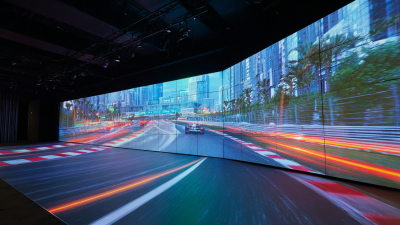
Background LED screens have become integral in many industries. They are versatile and can adapt to various environments. These screens create immersive experiences that captivate audiences. In retail, they enhance store displays. Bright colors draw customers in. The right visuals can significantly boost sales. Designing effective displays requires creativity and understanding of customer behavior.
In the entertainment industry, LED screens are indispensable. Concerts and events often feature large screens. They display rich graphics and live feeds. This engagement keeps audiences connected, enhancing the experience. However, balancing visual overload is essential. Too much information can distract the viewer rather than engage them.
Corporate environments also utilize LED screens. They can display important information, announcements, or branding messages. Yet, there's a risk of viewers losing interest. Using dynamic content can help maintain engagement. Simplicity can often be more effective than complexity. Continuous evaluation of screen content is crucial for effectiveness.
Benefits of Using Background Led Screens in Events and Advertising
Background LED screens have become vital in events and advertising. Their brightness and versatility attract attention. These screens can display vivid animations, graphics, and live feeds. They transform any event space into a visual masterpiece. With the right setup, a crowd's focus shifts entirely to the screen's content. This often creates an engaging atmosphere.
Using LED screens comes with multiple advantages. They enhance the attendee experience significantly. Colors are vibrant, creating a captivating backdrop. This can help convey a brand's message effectively. Moreover, these screens can be updated in real-time, adapting content to audience reactions. Flexibility is a critical benefit. However, technical difficulties can occur, causing disruptions. A backup plan is essential.
The ability to create immersive environments is unmatched. Large, high-quality displays draw people in. Signals, when properly managed, deliver impactful visual content. Yet, not all venues support extensive setups. Logistics may become complicated. Designers must consider sightlines and distance. A well-planned installation minimizes awkward viewing angles. The goal is to keep everyone engaged.
Future Trends and Innovations in Background Led Screen Technology
The future of background LED screen technology offers exciting possibilities. As resolution improves, screens will provide even sharper images. Innovations are integrating interaction capabilities, allowing viewers to engage directly. Imagine walking past a screen that responds to your movements or voice. This could change advertising and event presentations forever.
Sustainability is becoming a crucial focus. Newer models are being designed to consume less power. Energy-efficient screens not only save costs but also reduce environmental impact. However, accessibility remains a challenge. As technology advances, not all venues can afford the latest models. This disparity can hinder creativity in less-funded spaces.
Moreover, the integration of AI is on the horizon. Imagine screens that adapt content based on audience preferences. It raises ethical questions about privacy. Data collection for tailored content can feel intrusive. As the technology evolves, a balance must be struck between innovation and user comfort.