2026 Top Trends in LED Billboard Sign Technology and Design?
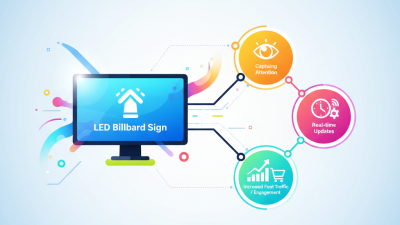
The landscape of advertising is rapidly changing. One of the most exciting innovations is the Led Billboard Sign technology. These digital displays have transformed how businesses communicate with their audience.
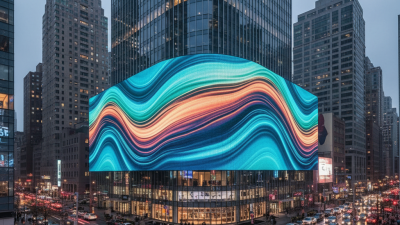
In 2026, we will see remarkable trends in this field. Enhanced brightness and energy efficiency are on the rise. Businesses are now drawn to high-definition displays that grab attention. Imagine vibrant colors lighting up city streets and catching every passerby’s eye. However, not all designs resonate well with the public. Some signs go overboard with animations and can be distracting.
The integration of artificial intelligence is also noteworthy. AI-driven content creation will tailor messages based on audience behavior. This could lead to more effective marketing, yet it raises questions about privacy and consumer trust. As we look forward, the balance between innovation and ethics must be carefully considered in Led Billboard Sign design.
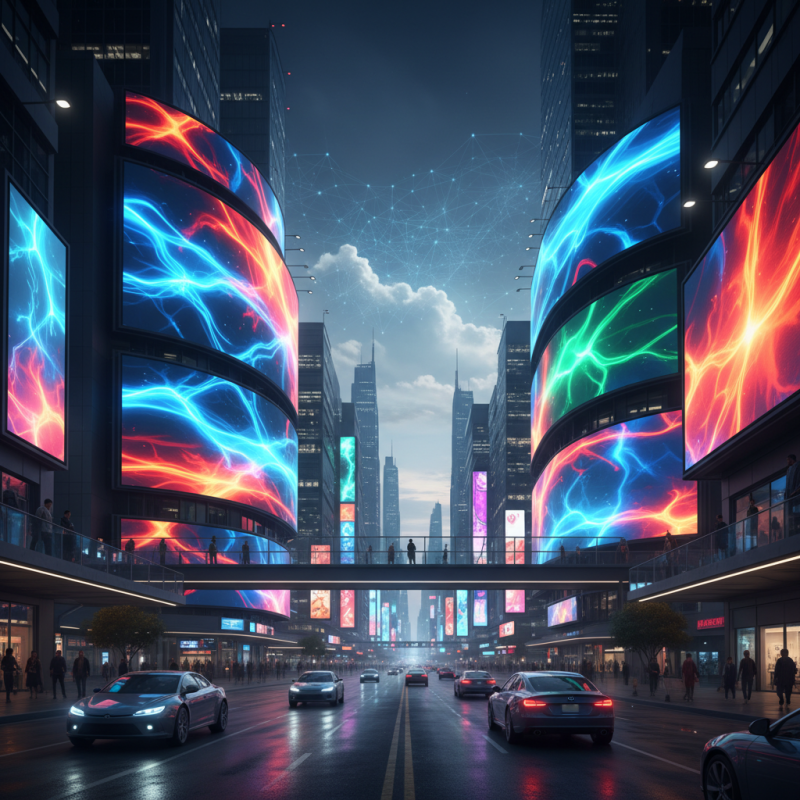
Emerging LED Technologies Shaping Billboard Sign Design in 2026
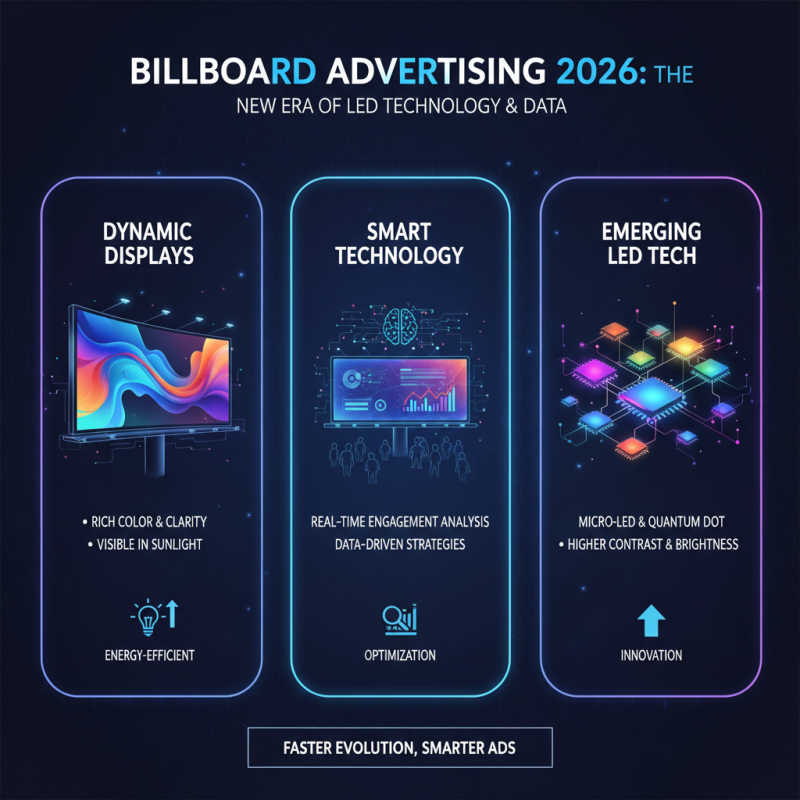
The landscape of billboard advertising is evolving rapidly. In 2026, emerging LED technologies are at the forefront of this change. Dynamic displays are becoming more vibrant and energy-efficient. New light-emitting diodes are offering richer colors and better visibility, even in bright sunlight. Billboards equipped with smart technology can analyze viewer engagement in real-time. This data is invaluable for marketers aiming to refine their strategies.
Tips: Consider location and audience when designing your LED billboards. Knowing your target demographic helps create more compelling content. Experiment with flexible designs that can change based on time or event. This approach keeps messages relevant and engaging.
Interactive features are also gaining popularity. Audiences want to engage with advertisements, not just view them. Touch screens and augmented reality components can draw people in. However, developing these technologies requires time and thought. Not every idea will resonate as intended. Some interactive displays may oversaturate the market, leading to viewer fatigue. The challenge lies in maintaining freshness while ensuring functionality.
Innovative Materials and Their Impact on LED Sign Performance
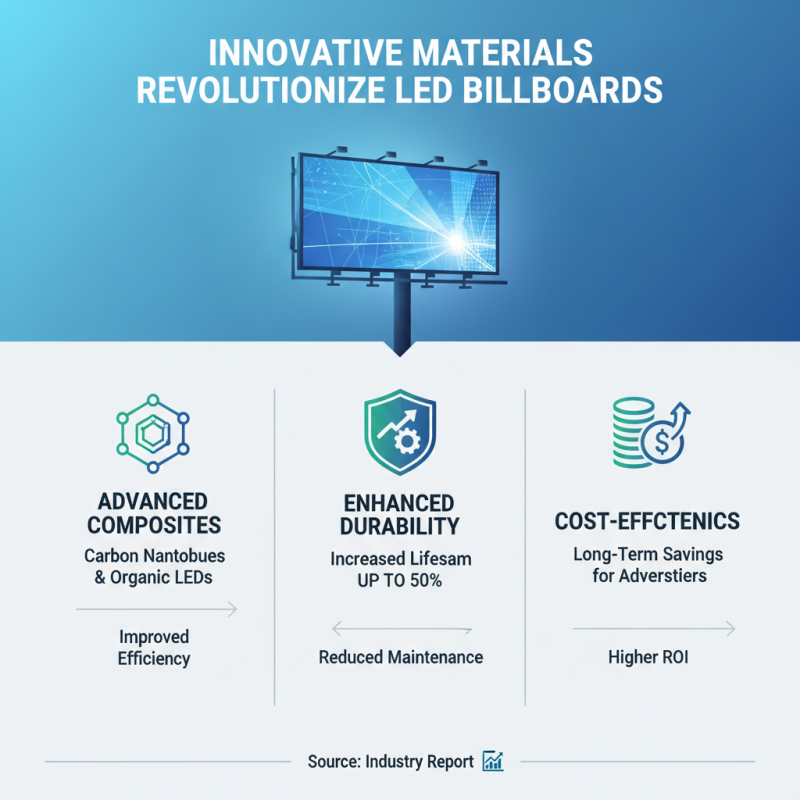
Innovative materials significantly influence the performance of LED billboard signs. Advanced composites, such as carbon nanotubes and organic LEDs, improve signage efficiency and durability. According to a recent industry report, these materials can increase lifespan by up to 50%. This durability reduces maintenance, enhancing long-term cost-effectiveness for advertisers.
New phosphor coatings also play a crucial role. They enhance brightness and color accuracy, elevating visibility even in direct sunlight. Studies indicate that signs using these advanced coatings can witness a 30% increase in viewer engagement. However, the production costs for these high-performance materials remain a concern for small businesses.
Additionally, while the innovative materials boost performance, they introduce complexities. Deployment challenges arise due to the need for specialized manufacturing processes. Not all companies can adopt these technologies immediately. Market adaptation may lag as businesses navigate cost and technical limitations. It’s essential to balance innovation with practical implementation strategies to maximize LED sign potential.
Trends in Energy Efficiency for LED Billboard Lighting Solutions
Energy efficiency is becoming a priority in the LED billboard industry. Recent data shows that energy-efficient LED lighting can reduce power consumption by up to 75%. This is not just a trend; it's a necessity. Companies are seeking solutions that lower their operational costs while maintaining high visibility.
Innovative designs, such as adaptive brightness controls, allow billboards to adjust based on surrounding light. This technology not only saves energy but also provides better visibility at night. Studies indicate that smart sensors can optimize energy usage by 30% by ensuring lights are only as bright as needed.
However, challenges remain. Many older billboards still rely on outdated technology. Transitioning to newer, energy-efficient systems can be costly. Stakeholders must weigh the upfront investment against long-term savings. This delicate balance poses an ongoing question for the industry. Investing in energy-efficient solutions is a step forward, but it’s not the only solution for sustainability.
2026 Top Trends in LED Billboard Sign Technology and Design
User Experience: Interactive Features in Modern LED Billboards
Interactive features in modern LED billboards are transforming the advertising landscape. These billboards engage viewers in ways previously unseen. Touch screens, motion sensors, and augmented reality (AR) create immersive experiences. This interaction captures attention and encourages user participation.
Imagine walking past a digital billboard that responds to your movements. It might show personalized content based on your proximity. Such experiences can make advertisements feel more relevant. However, not all designs achieve this hyper-personalization effectively. The balance between interactive elements and user distraction remains a challenge. Many companies still struggle to create seamless user experiences.
Moreover, user-generated content is gaining traction. Billboards that incorporate social media feeds allow real-time engagement. This approach connects viewers and brands more authentically. Yet, it raises questions about data privacy and user consent. Maintaining a user-friendly experience without compromising privacy is essential. As technology evolves, these challenges will need careful thoughtful solutions.
2026 Top Trends in LED Billboard Sign Technology and Design
| Trend |
Description |
Impact on User Experience |
Year of Adoption |
| Augmented Reality (AR) Integration |
Incorporating AR features to enhance interactivity and engagement. |
Increases viewer interaction and retention. |
2026 |
| Real-Time Analytics |
Using AI to analyze viewer demographics and behavior in real-time. |
Enhances message targeting and effectiveness. |
2025 |
| Dynamic Content Management |
Ability to change content based on time of day and audience. |
Improves relevance and engagement with the audience. |
2024 |
| Sustainability Features |
Utilizing solar power and energy-efficient designs. |
Promotes positive brand image and environmental responsibility. |
2026 |
| Multi-Sensory Experiences |
Incorporating sound and scent technology for a holistic experience. |
Heightens emotional connection and recall. |
2026 |
Future Aesthetics: Design Trends in Large-Scale LED Signage for 2026
As we look towards 2026, the design of large-scale LED signage is evolving rapidly. The integration of minimalism with bold colors is becoming a defining trend. According to a recent industry report, 63% of designers now prefer clean, simple designs that capture attention without overwhelming viewers. This approach not only improves visual appeal but also enhances readability, which is crucial for effective communication.
Another exciting trend is the use of sustainable materials in LED billboards. Research indicates that the demand for eco-friendly signage will increase by 45% over the next few years. Designers are exploring options like recycled plastics and energy-efficient LED technology. Such innovations could help address concerns about environmental impact. However, the challenge remains in balancing sustainability with high performance and durability.
Moreover, interaction is becoming key in LED sign design. With 37% of consumers preferring engaging content, dynamic displays are on the rise. This creates opportunities for personalization and customer interaction, yet it complicates the design process. Designers must consider how to effectively blend technology with creativity. It’s a tricky balance, and many are still figuring it out.