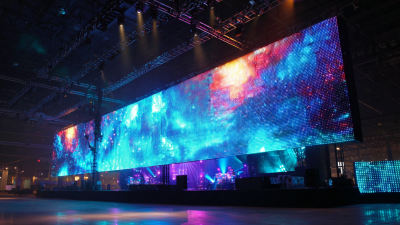
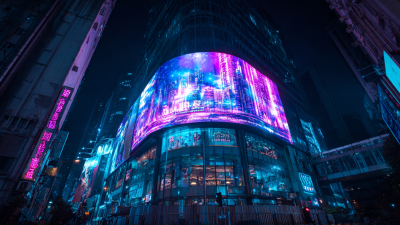
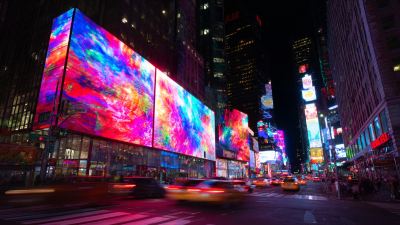
In the rapidly evolving world of advertising, Outdoor LED Displays are emerging as a pivotal medium for businesses seeking to enhance their visibility and engage with customers more effectively. According to a recent report by MarketsandMarkets, the Outdoor LED Display market is projected to reach USD 8.9 billion by 2025, growing at a CAGR of 15.5%. This surge can be attributed to the increasing demand for dynamic and interactive advertising solutions that deliver high-quality visuals and capture consumer attention.
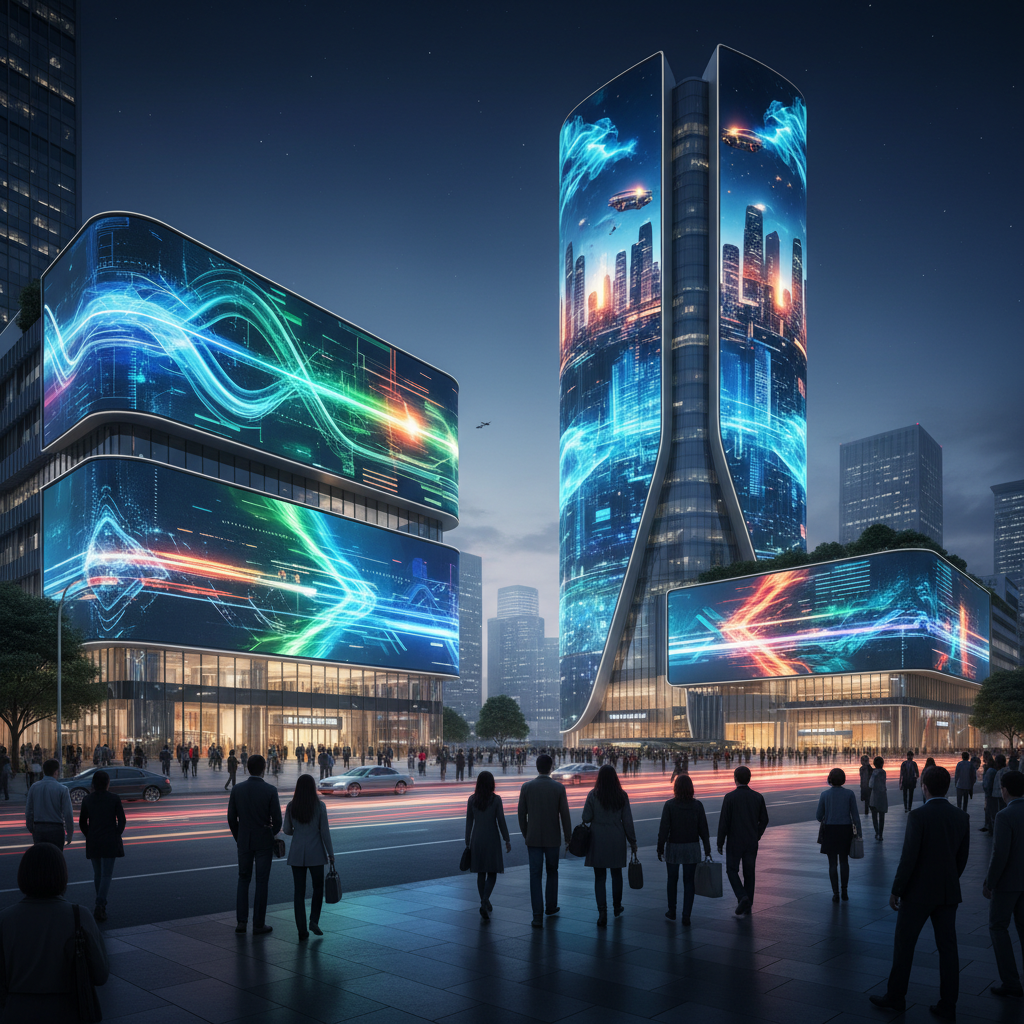
Industry expert Dr. David Thompson, a leading figure in digital signage technology, stated, "The advent of advanced Outdoor LED Displays has transformed the advertising landscape, allowing businesses to communicate their messages in ways that are both impactful and memorable." This sentiment underscores the significance of integrating innovative LED technologies into marketing strategies.
As we look ahead to 2025, understanding the latest trends in Outdoor LED Displays will be crucial for businesses aiming to leverage these powerful tools to boost their visibility and achieve a competitive edge in the marketplace.
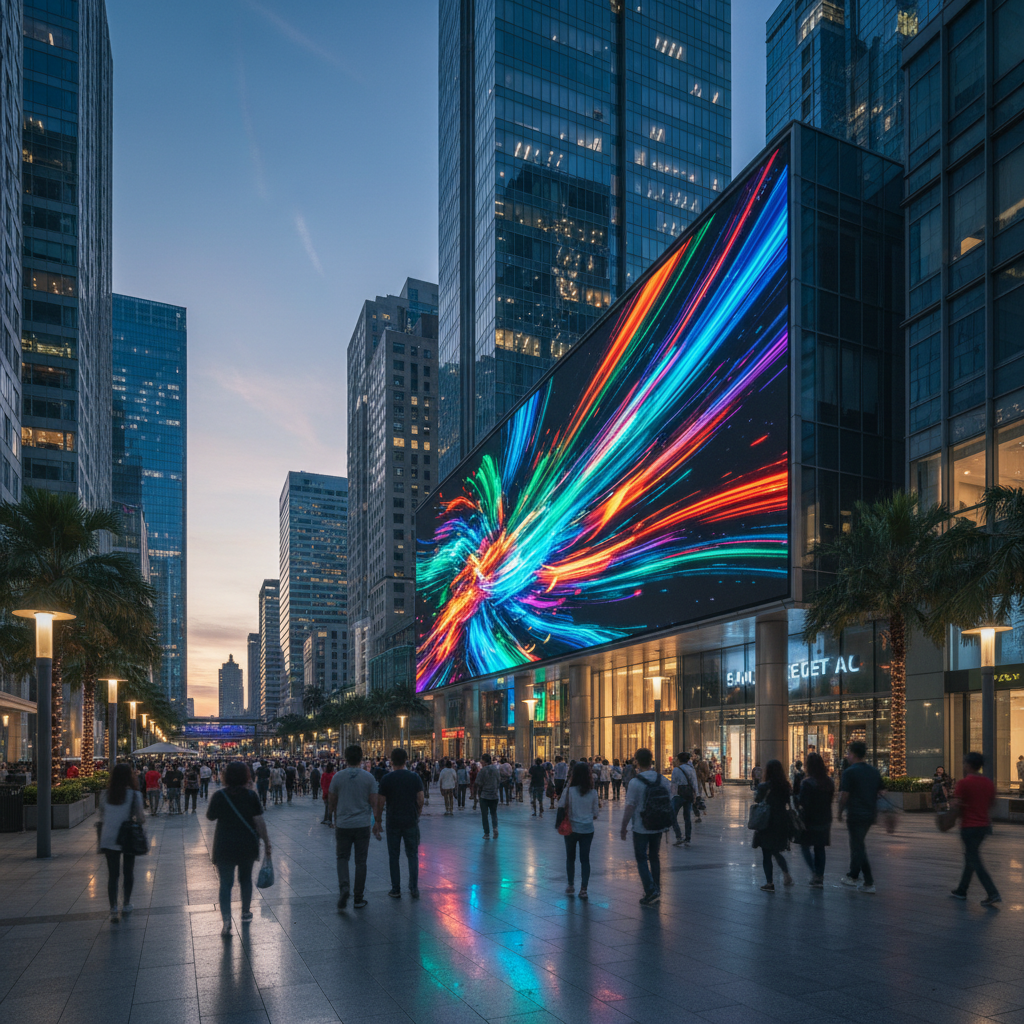
When selecting the right outdoor LED display for your business, it's crucial to consider several key factors to ensure maximum visibility and impact. First, evaluate the size and resolution of the display. The distance from which your audience will be viewing the display significantly influences these choices; larger screens with higher resolutions are ideal for crowded areas, while smaller, lower-resolution displays might suffice in closer settings.
Another important aspect is the brightness of the display. Outdoor environments often feature varying lighting conditions, so choosing an LED display with adequate brightness will ensure that your content remains visible throughout the day. Additionally, consider the durability and weather resistance of the display. Outdoor LED displays must withstand different elements, such as rain, wind, and extreme temperatures, so investing in a robust product will minimize maintenance costs and prolong its lifespan.
By thoroughly assessing these factors, businesses can effectively select an outdoor LED display that aligns with their specific needs and enhances their visibility in a competitive landscape.

Custom content is crucial for maximizing engagement on outdoor LED displays, as it tailors messages to specific audiences and contexts. According to a report by the Outdoor Advertising Association of America, digital out-of-home advertising, which includes LED displays, saw a 30% increase in engagement compared to traditional formats. This shift underscores the importance of dynamic and personalized content to capture viewers' attention in busy outdoor environments.
Leveraging customized content not only boosts visibility but also fosters deeper connections with your audience. A Nielsen survey revealed that 54% of consumers want to see more personalized content, highlighting the opportunity for brands to connect meaningfully through tailored messaging. By utilizing real-time data and audience insights, businesses can create impactful displays that resonate with viewers, drive higher interactions, and ultimately enhance brand loyalty. With the rapid evolution of technology in outdoor advertising, investing in custom content strategies is essential for staying competitive and relevant in this expanding market.
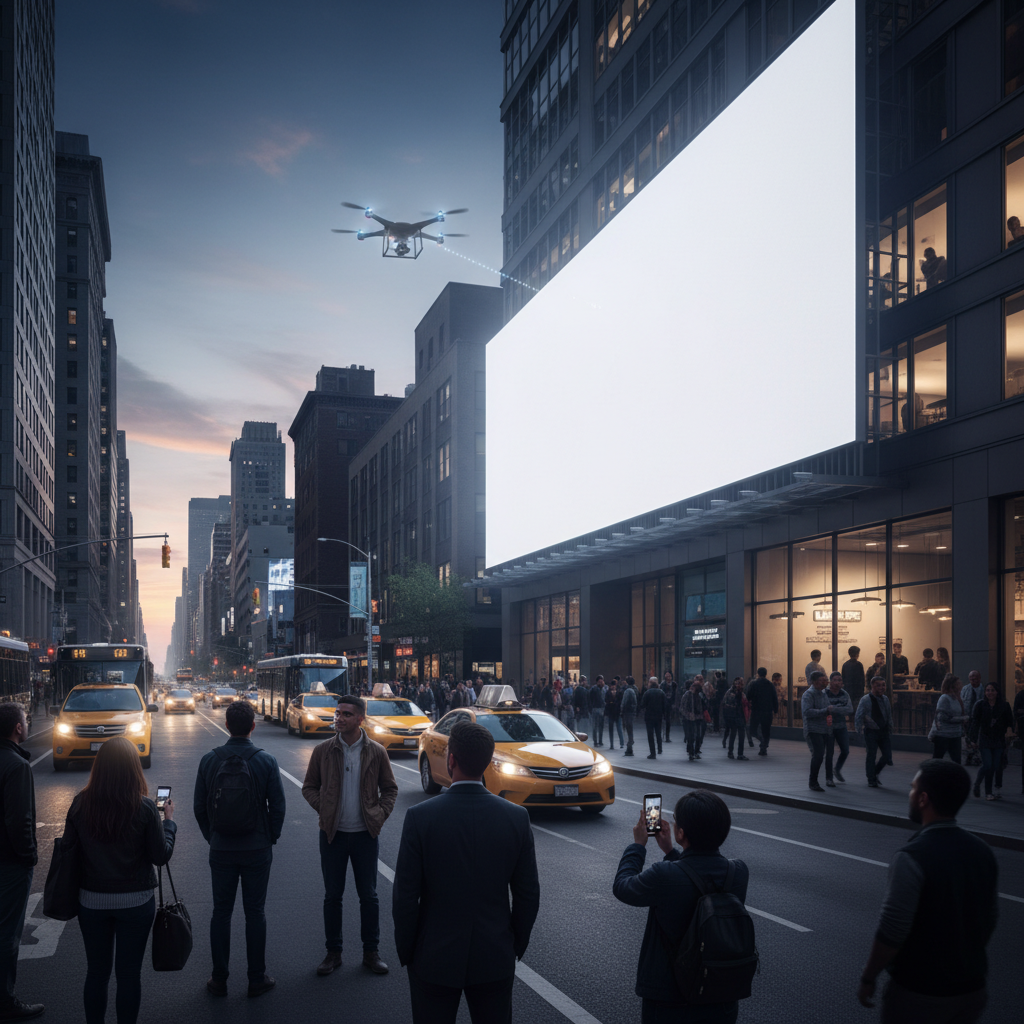
When it comes to maximizing the visibility of your outdoor LED displays, placement is key. Choosing the right location can significantly enhance viewer engagement and ensure that your message reaches a broader audience. Consider areas with high foot traffic, such as shopping districts, parks, or event venues, where your display will catch the eye of passersby. Additionally, placing your display at eye level will make it more accessible and easier to read.
Taking these factors into account will help you leverage your outdoor LED displays efficiently, ultimately boosting your business visibility and attracting more customers.
Integrating social media with outdoor LED advertising is an increasingly influential strategy for enhancing business visibility. According to a report from eMarketer, over 70% of marketers believe that a cohesive digital and physical ad strategy amplifies brand engagement.
By synchronizing social media campaigns with LED displays, businesses can create real-time interactions that resonate with their target audience. For instance, displaying user-generated content or hashtags live on outdoor screens not only boosts engagement but also encourages passersby to participate, effectively turning viewers into brand advocates.
Furthermore, the ability to update outdoor LED content instantly through social media increases the dynamism of advertisements. A Nielsen report highlights that dynamic digital displays can capture attention 400% more than static ones. By leveraging platforms like Instagram or Twitter, brands can showcase promotions or events in a more vibrant context, amplifying their reach and facilitating immediate brand interaction. This synergy between social media and outdoor advertising not only enhances visibility but also supports brands in capturing valuable analytics, allowing for data-driven adjustments to their marketing strategies.
Evaluating the return on investment (ROI) for outdoor LED displays is essential for businesses looking to enhance their visibility and impact in a digital-first advertising landscape. With outdoor advertisement mediums offering higher marginal returns compared to saturated digital channels, businesses must implement effective measurement strategies.
One approach is to monitor engagement metrics, such as foot traffic and customer inquiries, directly attributable to the advertising displayed. This real-time feedback can inform future investment decisions and help optimize content for maximum impact.
Furthermore, leveraging adaptive tools like digital twins can enhance ROI assessments by simulating various scenarios and projecting potential outcomes before making significant investments. By moving beyond static financial models, companies can adapt to the dynamic nature of digital out-of-home advertising. Consistent performance tracking and data analysis will illuminate the true value of outdoor LED displays, enabling businesses to allocate resources effectively and achieve a stronger foothold in competitive markets.